Aerospace Aluminum Processing: Alloys, Forms, Machining, and Supplier Selection
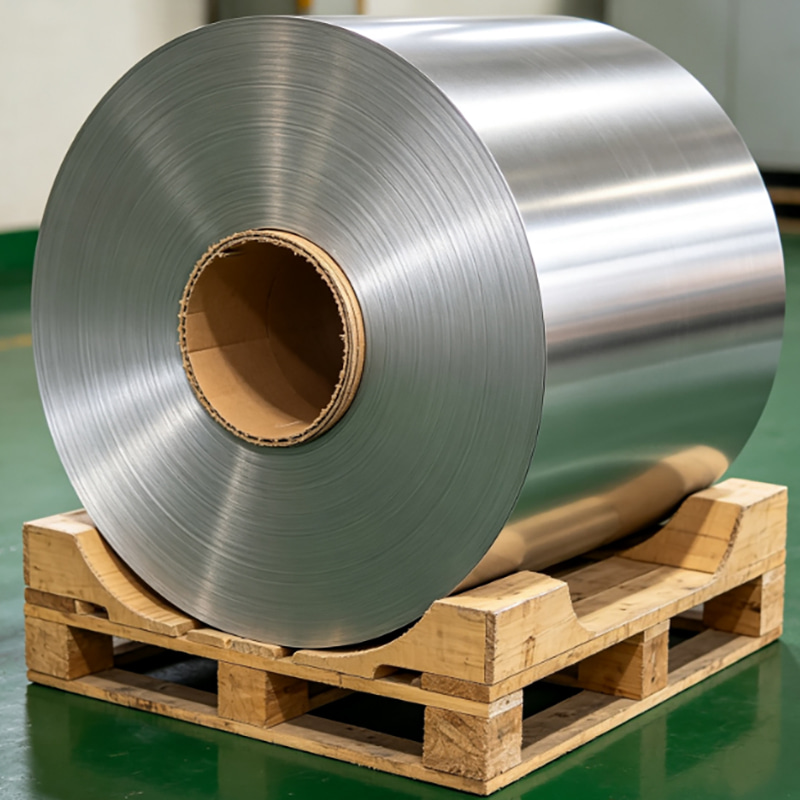
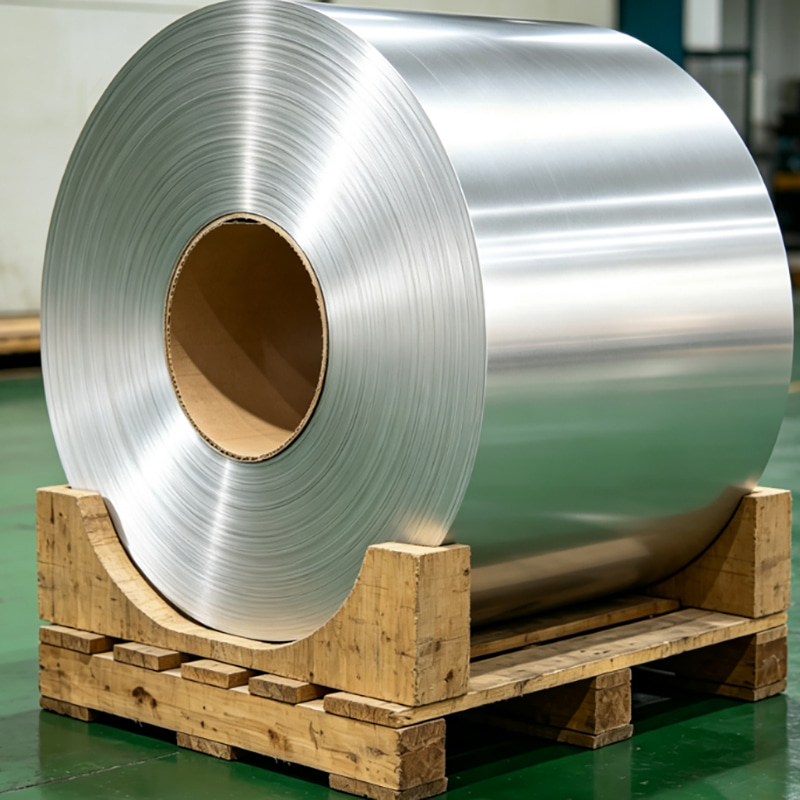
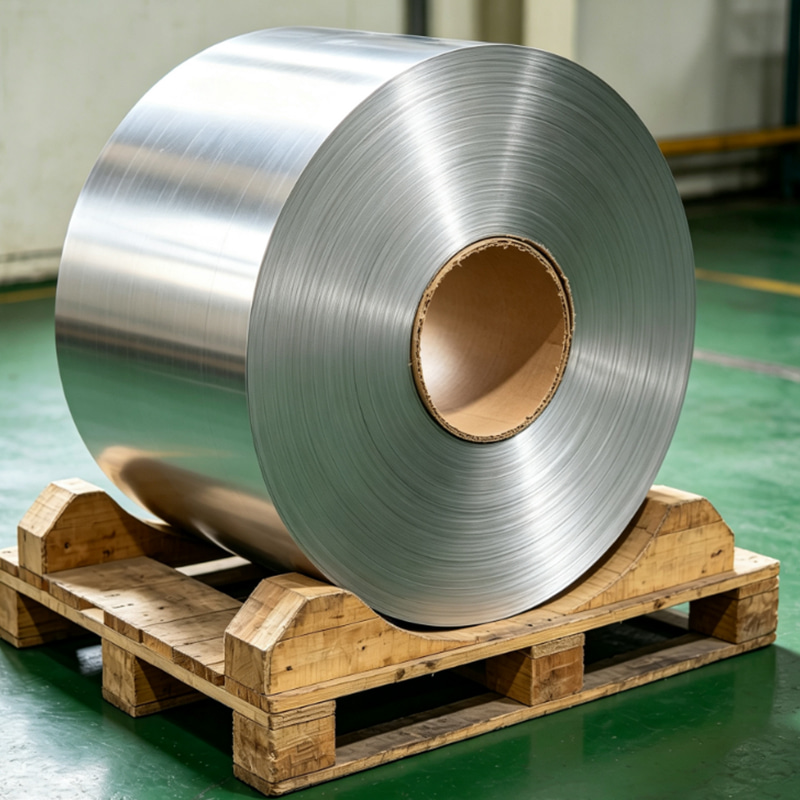
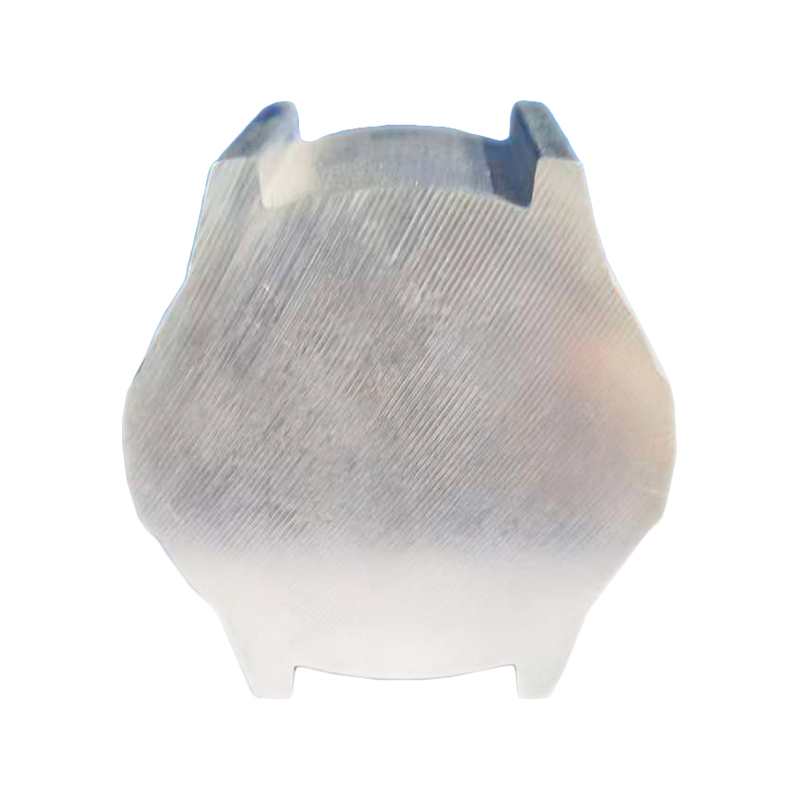
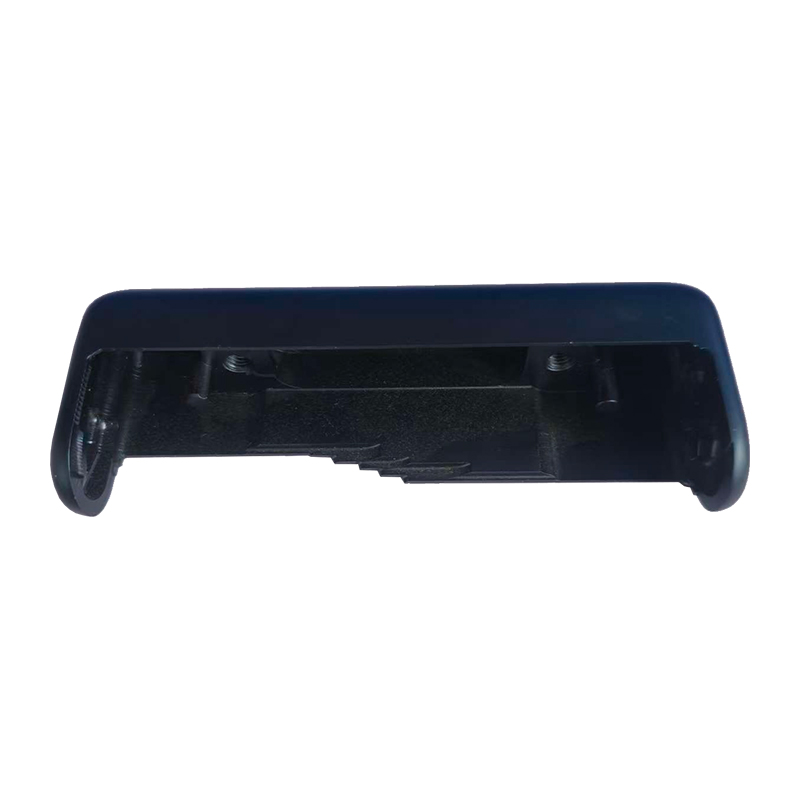
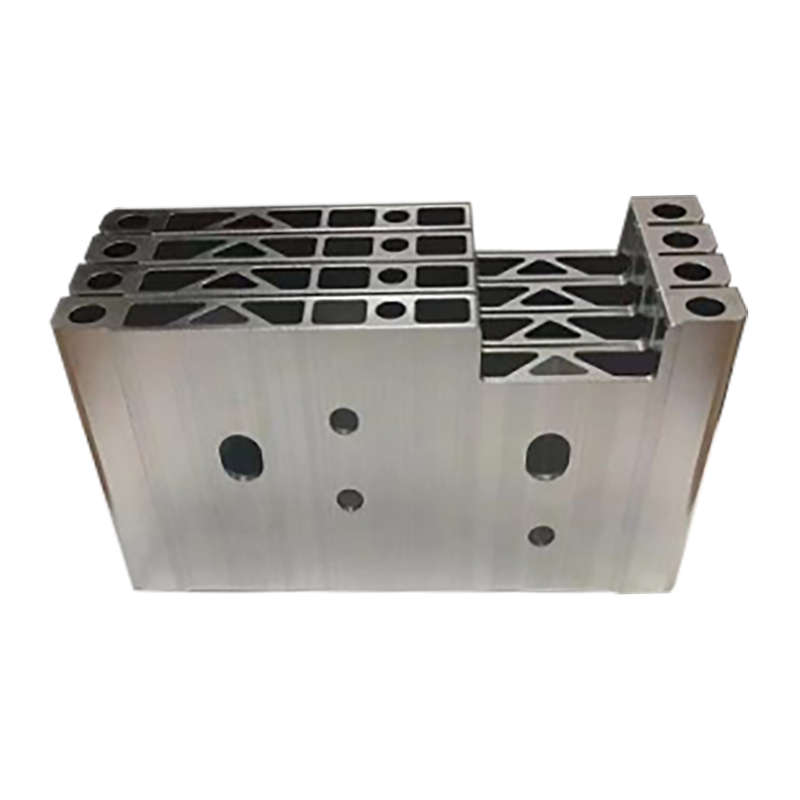
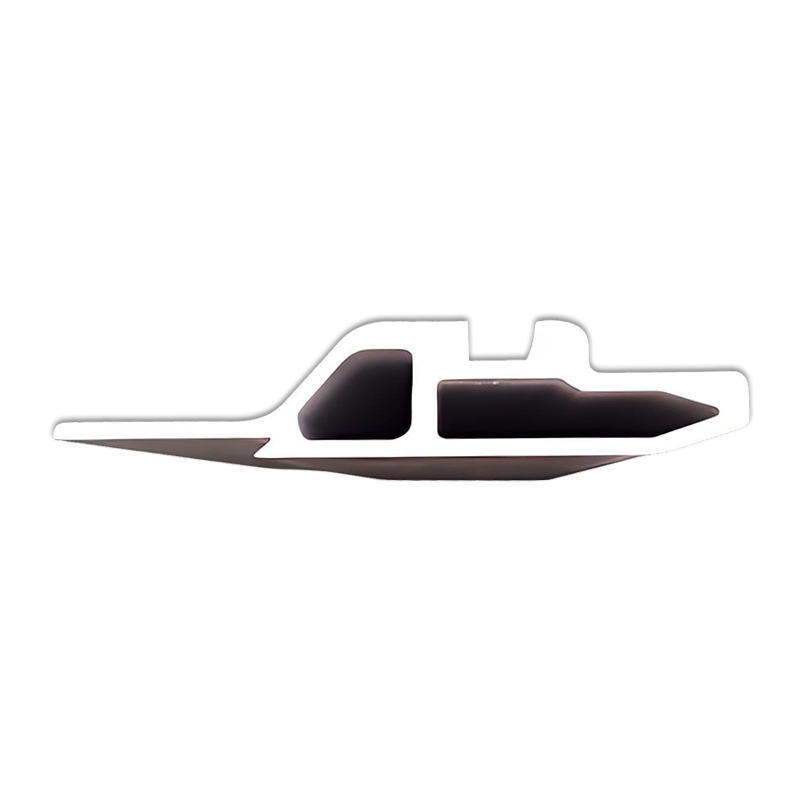
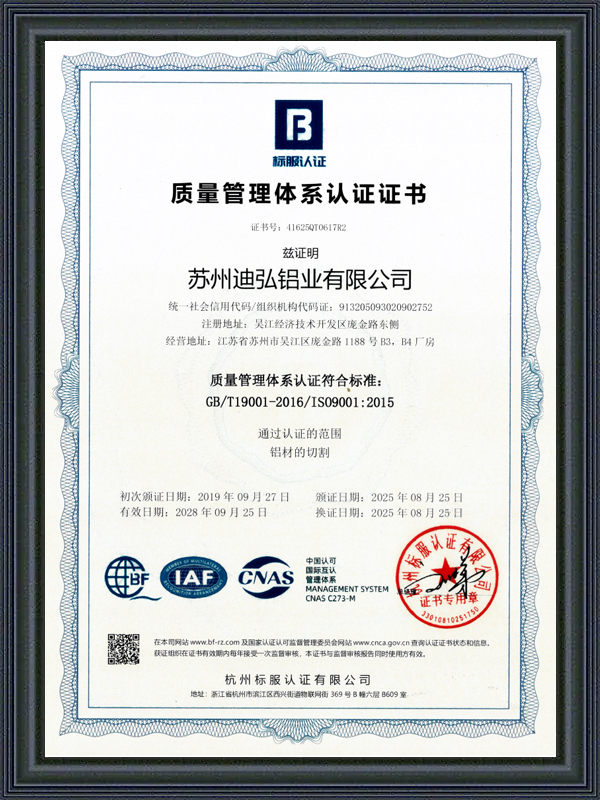
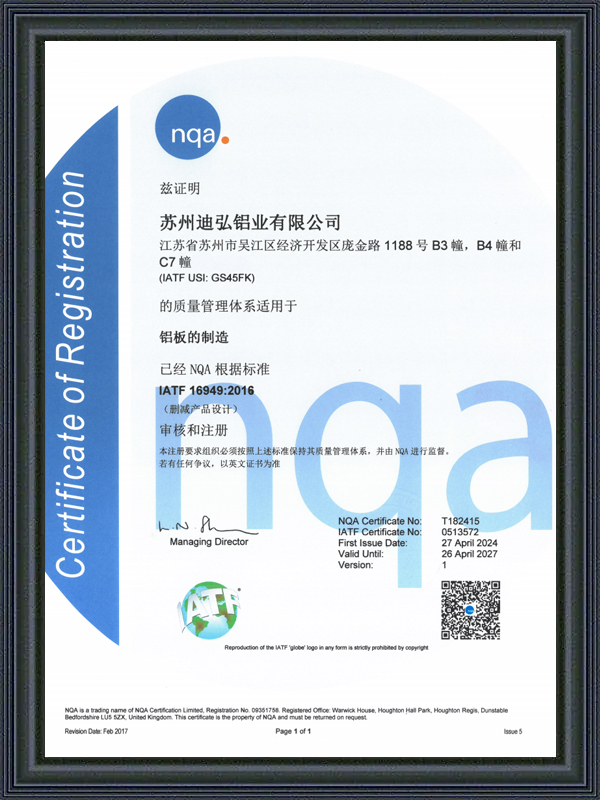
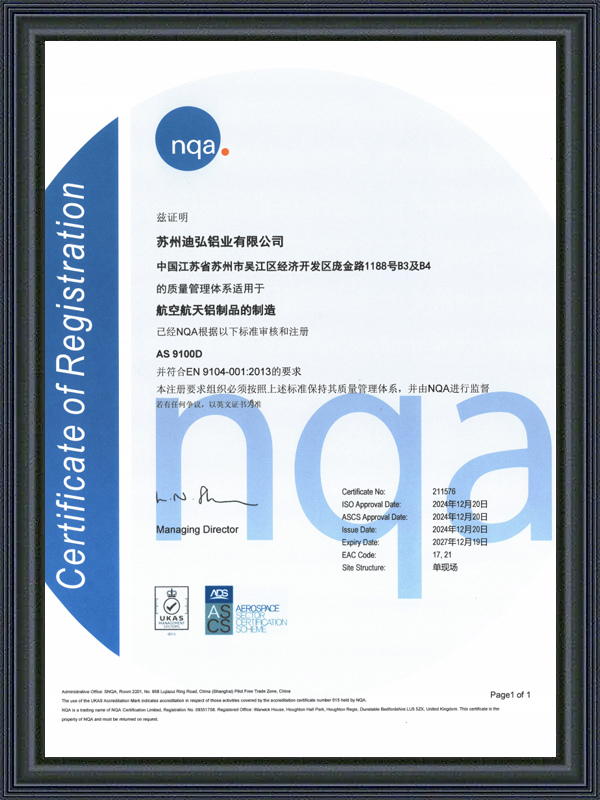
When an aerospace program moves from design into hardware, alloy and processing decisions deserve as much attention as the CAD model. A part that looks correct on screen can distort, crack, or fail inspection if the aluminum temper, stock form, and machining sequence are not aligned. This article explains the practical side of aerospace aluminum processing—alloy selection, sheet and extrusion forms, CNC machining risks, and supplier evaluation—so you can specify and source with fewer surprises. What aerospace aluminum processing covers Aerospace aluminum processing is not a single operation. It usually begins with a certified raw material—sheet, plate, coil, or extrusion—and continues through cutting, machining, surface treatment, and inspection. Many suppliers specialize in only one step, but an integrated partner can manage the full chain from material sourcing to finished parts. That is why production processing capabilities matter when you evaluate a vendor; controlled operations reduce handoff errors and documentation gaps. The economic impact is also important. When a single supplier owns the material and the machining workflow, the buy-to-fly ratio can be discussed openly and optimized before tooling starts. That transparency often shortens lead times and avoids the cost of moving a semi-finished part between companies that each have their own inspection routines. Alloy selection: strength, corrosion, and machinability The alloy grade defines the structural envelope of the part. In aerospace aluminum processing, 2xxx, 6xxx, and 7xxx alloys dominate because they offer a combination of strength-to-weight ratio and predictable behavior under machining. 2024 aluminum provides high fatigue strength and is common in sheet and plate applications. 6061 is easier to weld and machine, with good corrosion resistance. 7050 and 7075 deliver high strength for heavily loaded parts, but they require controlled machining strategies to manage residual stress and distortion. Common aerospace aluminum alloys and their typical processing characteristics. Alloy Key characteristics Typical aerospace use 2024 High fatigue strength; lower bare corrosion resistance Fuselage skins, wing and body structure 6061 Good strength, weldability, and corrosion resistance Fittings, frames, non-critical structures 7050 High strength, toughness, and stress-corrosion resistance Thick plate, bulkheads, wing spars 7075 Very high strength; lower weldability; sensitive to processing High-load fittings, gears, shafts Temper designations matter just as much as the alloy. T6, T7351, and T3 tempers affect yield strength, fracture toughness, and residual stress levels. Before machining, confirm that incoming stock matches the temper called out on the drawing; a substitution at the material stage can invalidate the entire part. Sheet, plate, and custom extrusion: choosing the starting form The stock form determines the manufacturing path. Aluminum sheet and plate are the right choice when you need large flat surfaces, contoured skins, or parts that will be machined from solid blanks. For example, if your drawing specifies 2024-T3 sheet for a fuselage panel, the processing route starts with a qualified source that can supply aerospace-grade 2xxx aluminum sheet and plate in traceable lots. Direct material access shortens procurement time and reduces the risk of an undocumented alloy substitution. 2XXX Aluminum-Copper Alloy Sheet & Plate Suppliers, Custom Factory - Suzhou Diho Dihong Aluminum offer Custom 2XXX Aluminum-Copper Alloy Sheet & Plate, China 2XXX Aluminum-Copper Alloy Sheet & Plate Suppliers and Facto... View Product → For long, constant cross-section parts such as seat tracks, stiffeners, brackets, and heat sinks, custom aerospace aluminum extrusion profiles are often more efficient than machining a solid plate. An extrusion can place metal exactly where the section requires it, which lowers the buy-to-fly ratio and reduces machining time. The material grade, heat treatment, and section geometry all need to be reviewed in the design phase, not after the tool is cut. Aluminum Extrusion for Aerospace Suppliers, Custom Factory - Suzhou Dihong Alumi Dihong Aluminum offer Custom Aluminum Extrusion for Aerospace, China Aluminum Extrusion for Aerospace Suppliers and Factory, Aerospace al... View Product → CNC machining challenges in aerospace aluminum parts The material state changes during machining. Residual stress in the aluminum blank can cause a thin frame or deep pocket to move after material is removed, and thin walls can vibrate or deflect under cutting loads. Common issues include: Residual-stress distortion when a large volume of material is removed unevenly. Thin walls and floors that chatter or flex during finishing. Deep pockets that require long tool reach and create chip evacuation problems. Errors from datum transfer when a part must be re-fixtured between operations. Burrs and edge conditions that affect dimensional measurement and downstream assembly. A capable machining partner will plan the roughing and finishing sequence to release stress gradually, leave controlled finishing allowance, and re-check the part after unclamping. This is especially important for T6 and T7xxx alloys. If you are sourcing complete parts, choose a shop with aerospace and defense CNC machined parts experience rather than treating CNC work as a generic operation. For complex aerospace parts, the same team should be comfortable with five-axis setups and in-process inspection. You can review what precision and material standards matter most for CNC parts before finalizing your RFQ. CNC Parts for Aerospace & Defense Suppliers, Custom Factory - Suzhou Dihong Alum Dihong Aluminum offer Custom CNC Parts for Aerospace & Defense, China CNC Parts for Aerospace & Defense Suppliers and Factory, Aerospace ... View Product → Surface treatment and dimensional planning Aluminum is rarely used bare in aerospace. Anodizing, conversion coating, or primer changes the part surface and adds a layer that affects final dimensions. If the machining drawing is based on the finished, coated state, tolerances must account for the treatment thickness. A good processor will ask for the finish specification before deciding where to hold nominal dimensions, and will also protect critical mounting holes or sealing surfaces from coating build-up. Masking, chemical milling, and shot peening are common secondary processes in aerospace aluminum processing. Each one can alter residual stress or surface integrity. Schedule these operations in the process plan and include them in the inspection review, especially if fatigue performance is critical. Quality systems, traceability, and the documentation you need Because aerospace hardware is safety-related, material and process traceability cannot be an afterthought. The supplier should maintain records that link each batch of sheet, plate, or extrusion to its mill source, heat treatment, and final part number. First-article inspection reports should include measured values, not just pass/fail statements. Quality management certifications such as AS9100 and IATF 16949 indicate that the company has a documented system for controlling nonconforming product, supplier management, and corrective actions. However, a certificate alone is not enough. Ask how the system is applied to a typical aerospace aluminum processing order and which records will be delivered with the parts. Questions to ask an aerospace aluminum processing partner Use the RFQ stage to separate a general machine shop from a partner who can process aerospace aluminum reliably. The following questions cover the main risk areas: Which alloys and tempers do you stock or source regularly for aerospace work? How do you handle residual stress and distortion in thin-wall or deep-pocket parts? Can you provide material certificates, inspection reports, and process documentation? Do you review surface treatment effects before final machining tolerances are set? What is your process if first-article inspection reveals a deviation? Aerospace aluminum processing is ultimately a matter of controlling variables: material, temper, machine strategy, and measurement. Choose an alloy and stock form that fit the design, work with a processor who understands stress and tolerance, and demand documentation at every step. With the right partner, the path from raw aluminum to flight-ready hardware becomes predictable and repeatable. .article-section table{display: table!important;}.article-section thead{display: table-header-group!important;}.article-section tbody{display: table-row-group!important;}.article-section tr{display: table-row!important;}.article-section th{display: table-cell!important;}.article-section td{display: table-cell!important;}.article-section caption{caption-side:bottom;font-size:16px;margin-bottom:12px;font-style:italic;color:#808080;}.article-section th{font-weight:bold;border:1px solid #cccccc;padding:8px;}.article-section td{border:1px solid #cccccc;padding:8px;}.article-section ol{margin-bottom:12px;list-style-type:decimal;list-style-position:inside;padding-left:0;}.article-section ul{margin-bottom:12px;list-style-type:disc;list-style-position:inside;}.article-section li{list-style:inherit;font-size:16px;margin-bottom:6px;}.article-section h2{font-size:22px;font-weight:bold;text-align:left;margin-bottom:12px!important;}.article-section h3{font-size:16px;font-weight:bold;text-align:left;margin-bottom:12px;}.article-section p{font-size:16px!important;margin-bottom:12px;} .product-card{display:block;margin:20px 0;border:1px solid #e5e7eb;border-radius:10px;overflow:hidden;font-style:normal;background:#fff}.pc-inner{display:flex;text-decoration:none;color:inherit;align-items:center;min-height:120px}.pc-img{width:160px;min-width:160px;aspect-ratio:4/3;height:auto;min-height:120px;object-fit:cover;flex-shrink:0;display:block;align-self:stretch}.pc-body{padding:12px 16px;flex:1;min-width:0;display:flex;flex-direction:column;align-self:stretch;justify-content:center}.pc-title{display:block;font-size:15px;font-weight:600;color:#111;margin:0 0 6px;line-height:1.4}.pc-desc{display:-webkit-box;font-size:13px;color:#6b7280;margin:0 0 8px;line-height:1.5;overflow:hidden;-webkit-line-clamp:2;line-clamp:2;-webkit-box-orient:vertical}.pc-cta{display:block;font-size:13px;font-weight:600;color:inherit;margin-top:auto}.pc-inner:hover .pc-title{text-decoration:underline} .article-section a:not(.pc-inner),article a:not(.pc-inner){color:inherit}.pc-cta{color:inherit!important}
Aug 24 ، 2026
أخبار الصناعة